


In this ever-changing digital age, every enterprise is at a critical point of change, that is, digital transformation. As consumers increasingly rely on digital tools, "digital transformation" has become a core strategy for corporate development. But within this strategy, an age-old concept is being reinvented in both form and function: the marketing funnel.
This article will delve into how digital transformation has changed the concept of the marketing funnel, and how, in this evolution, the digital marketing funnel has become a critical bridge connecting businesses with their consumers. As we progress through this article, you'll learn how marketing strategies can be more precisely leveraged to attract, build and retain customer loyalty in today's digitally dominated world.
one,Understanding the Digital Marketing Funnel: Not Just a Model
When we talk about the digital marketing funnel, we're not just talking about a single strategy or model, but a comprehensive framework that combines multiple strategies and techniques. This framework allows businesses to better understand and influence customers' purchasing decisions.
Evolution from traditional marketing to digital marketing
Traditional marketing mainly focuses on TV, radio and print advertisements, and its core strategy is to maximize the reach through a wide range of advertisements. However, with the rise of the Internet and digital tools, the scope of marketing has evolved from purely "selling" to a more interactive and customer-oriented strategy.
The advent of digital marketing has allowed businesses to create a closer connection with consumers and provide them with tailored content and promotions. This personalization strategy not only enhances customer loyalty, but also increases conversion rates.
The Structure of the Funnel: The Journey from Awareness to Advocacy
The digital marketing funnel is no longer just a simple linear process from "awareness" to "purchase". The modern funnel model covers the entire journey a consumer takes from first encountering a brand to becoming a loyal fan.
- Awareness: At this stage, the goal is to introduce potential customers to the brand or product for the first time.
- Interest Stage (Interest): The purpose of this stage is to provide valuable content and arouse consumers' interest.
- Consideration stage: Consumers begin to consider purchases and compare different options.
- Purchase stage (Purchase): Consumers make purchasing decisions.
- Advocacy phase (Advocacy): After purchase, companies need to work hard to maintain relationships with customers and make them become brand advocates and promoters.
This journey shows that successful digital marketing is not only about selling products, but more importantly, building and maintaining relationships with customers. After all, one loyal customer is often more valuable than ten new ones.
We have talked about what is digital transformation, further reading:4 definitions and methods of enterprise digital transformation|Enterprise and personal brand management will take the lead in the digital age in 2023
two,Funnel Strategy in Digital Transformation: How to Quickly Adapt to the New Era
In this ever-changing digital age, having a marketing funnel strategy is no longer enough. Businesses need to constantly adjust and optimize their strategies to ensure they remain relevant. Digital transformation is driving this need, requiring companies to think about marketing in new ways, to be more data-driven, and to take advantage of the latest tools such as automation and personalization.
with dataData Driven Marketing Strategy
In the world of digital transformation, data has become king. By analyzing and interpreting large amounts of consumer data, companies can more precisely define their target markets and gain a better understanding of customer needs and behaviors.
Not only does this allow businesses to create more targeted ads, but it also optimizes their overall marketing strategy, thereby increasing ROI. For example, analyzing customer data can help companies identify the most popular product features, or find out which marketing channels lead to the most conversions.
Actual case: Nike
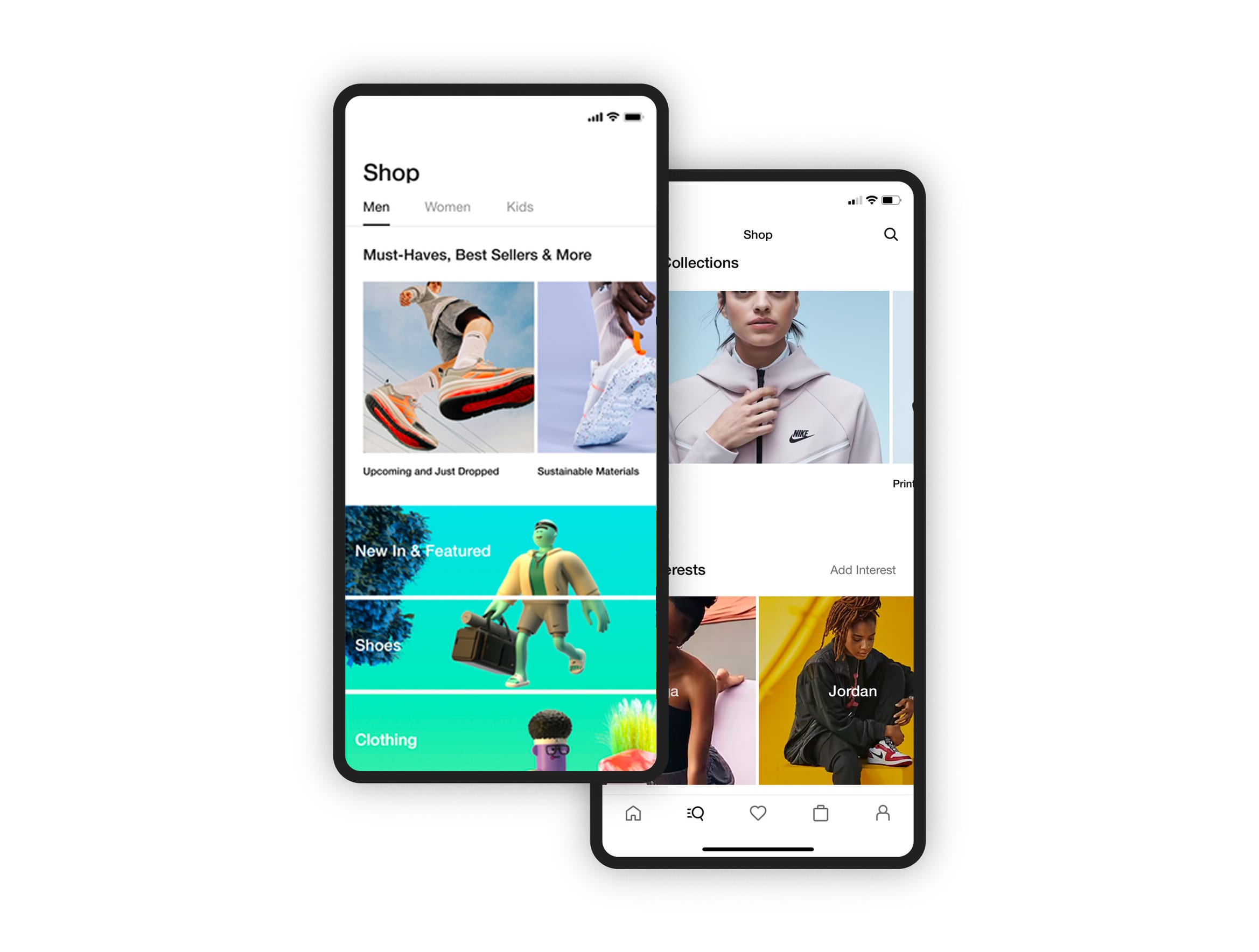
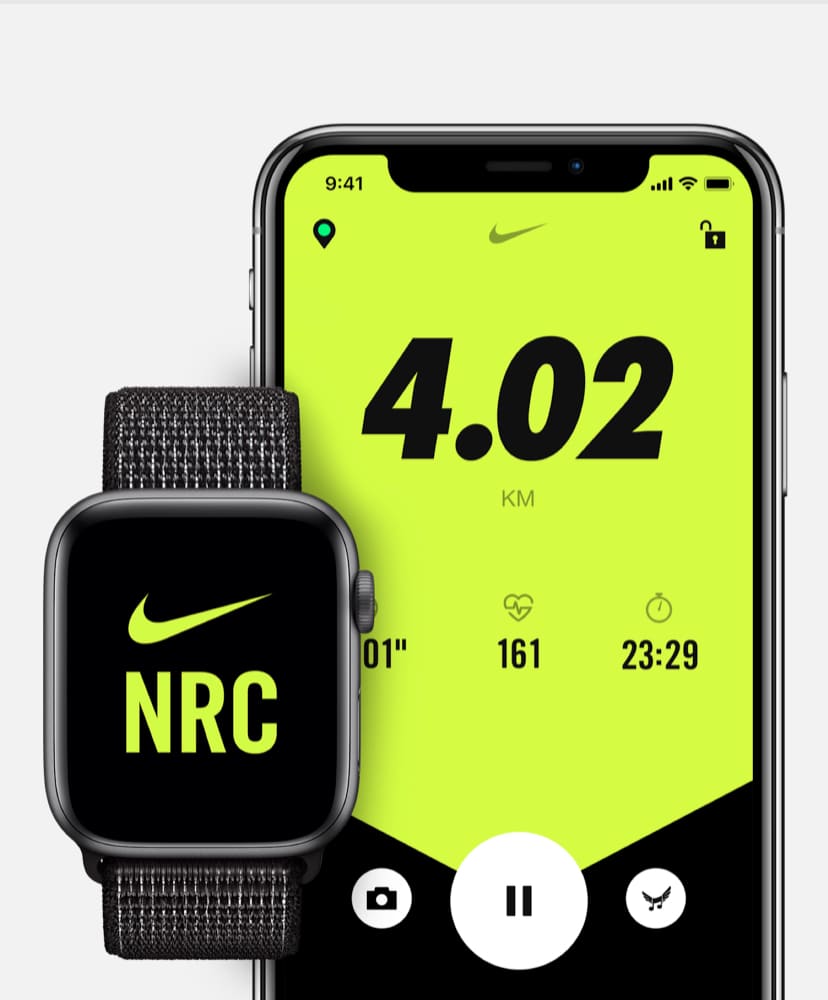
In recent years, Nike has been using data-driven strategies to improve their digital marketing. Through their mobile application (whether it is a shopping platform or a sports platform), Nike collects data about users' exercise habits, shopping behavior and preferences. They then used this data to create personalized shoe recommendations and training programs, which increased user engagement and purchase rates.
Three, createAutomation and Personalization: Marketing Tools for a New Generation
Automation and personalization have become the two pillars of digital marketing. Automation tools, such as email marketing automation, social media management tools, etc., can help businesses execute marketing campaigns more efficiently while reducing human errors.
At the same time, personalization allows businesses to provide a tailored experience for each customer. This could be personalized recommendations based on purchase history, browsing behavior or other interactions. This deep understanding of customers not only strengthens their loyalty, but also greatly increases conversion rates.
Practical example: Spotify
Spotify is a great example of an automation and personalization strategy. The music streaming platform provides its users with personalized playlists on a daily basis, based on their past listening history and preferences. In addition, Spotify uses automated tools to send targeted emails and notifications informing users of new song releases or upcoming events to keep users engaged.
In summary, with the advancement of digital transformation, marketing is no longer a fixed concept, but an evolving strategy. Only through continuous learning and adaptation can enterprises maintain their leading position in this highly competitive market.

4. LayoutDigital Touchpoints in the Funnel: Creating the Perfect Customer Experience
In the context of digital transformation, the marketing funnel is no longer a linear step-by-step process. Modern consumers typically interact with brands across multiple digital touchpoints before making a purchase decision. To provide a seamless customer experience, businesses need to integrate and optimize these digital touchpoints.
Integrate different digital platforms and tools
In the world of digital marketing, consumer touchpoints are diverse: from social media, email, and websites to mobile apps and other digital platforms. For a marketing strategy to be truly effective, businesses must ensure a consistent and coherent message across all these platforms.
For example, a fashion brand can advertise through social media, send out limited-time offers through email marketing, and ultimately lead consumers to the official website to buy. Throughout the process, brand messaging, design and promotions must be consistent to ensure the consumer experience is seamless and high-quality.
digitThe five stages of the marketing funnel
The five stages of the marketing funnelIt is a key tool, and the main hope is to understand the complete path of consumers from brand recognition to actual purchase. Not only does this help identify bottlenecks that might be causing consumers to abandon a purchase, but it can also identify opportunities to increase conversions.
| stage | Purpose | means |
|---|---|---|
| Cognitive stage | Make your target audience aware that your brand or product exists | Advertising, social media, blogging, content marketing and more |
| interest stage | Generate a potential customer's interest in your product or service | Provide valuable content such as newsletters, tutorials, webinar, etc. |
| consideration stage | Let customers see your product or service as a possible option to solve the problem | Provide detailed product information, customer testimonials, reviews, FAQ, etc. |
| action stage | Drive customers to take action | Offers, trials, free consultations, cart optimization, and more |
| loyalty stage | Let customers become loyal customers who repeat purchases | Provide follow-up customer service, loyalty programs, exclusive offers, etc. |
| advocacy stage | Let loyal customers become promoters of your brand | Encourage sharing, comments, reference plans, etc. |
To optimize conversion rates, businesses first need to identify the problems and challenges consumers may encounter at each step in the customer journey. They can then use tools such as A/B testing and user experience surveys to optimize these bottlenecks and improve the effectiveness of each digital touchpoint.
In conclusion, as digital transformation progresses, businesses must constantly adjust and update their marketing funnel strategies to ensure they provide the best possible customer experience. This requires a deep understanding and integration of different digital platforms, as well as the use of tools such as customer journey mapping to optimize conversion rates. Only in this way can enterprises maintain a leading position in the highly competitive market.


5. How to check the effectiveness at each stage of the marketing funnel
In today's competitive business environment, every marketing campaign needs to have a clear strategy and evaluation criteria. The marketing funnel, as a model that describes the journey a prospect takes from initial awareness to loyal advocate, provides the perfect framework for planning and evaluating these strategies. But simply following the funnel is not enough; we must identify key performance indicators at each stage to assess whether our marketing strategy is actually having the desired effect.
The five-stage observation indicators of the marketing funnel
| stage | index | method |
|---|---|---|
| Cognitive stage | Brand exposure, website traffic, social media followers, ad reach and frequency, etc. | Use Google Analytics or other traffic analysis tools to track website visitors, and use social media platform analytics to see follower growth and engagement. |
| interest stage | Content reading rate, social media interaction rate, etc. | Track interactions on social media posts, track open and click rates with email marketing tools, and track views of specific content with web analytics tools. |
| consideration stage | Product or service detailed page views, data download times, etc. | Use tools like Google Analytics to track traffic and engagement on specific pages, and track shopping cart abandonment rates. |
| buying stage | Sales conversion rate, average order value, etc. | Use e-commerce analysis tools, such as Google Analytics' e-commerce tracking function, and CRM system to track sales data. |
| advocacy stage | Customer satisfaction, Net Promoter Score (NPS), etc. | Conduct customer satisfaction surveys, track product reviews and reviews, and use CRM systems to analyze customer buying behavior and trends. |
Other additional metrics that can be tracked
| project | illustrate |
|---|---|
| Sale | Analyze sales data, evaluate the effect of marketing activities at the bottom of the sales funnel, and optimize strategies. |
| Ratio of new customers to existing customers | Measure campaign balance to understand why previous customers are not buying again and avoid increasing customer acquisition costs (CPA). |
| CPA (cost per acquisition) | Should be gradually lowered as the brand is established in new markets and its reputation strengthens. |
| Total revenue | Compare actual revenue to targets, assess overall performance, and identify opportunities to optimize spend. |
| Comparison of target and actual data | Compare planned spend, conversion rates, budget, etc. with actual data to determine if campaigns are on target and if strategy needs to be adjusted. |
| revenue per customer | Distinguish different income levels of customer groups, formulate digital marketing strategies for different groups, and improve the average income balance of each customer group. |
[Conclusion] The role of the digital marketing funnel in the ongoing digital transformation
With the continuous evolution of digitalization, the digital marketing funnel is no longer just a simple tool or model, but a comprehensive and strategic marketing framework. This framework not only helps companies determine their current market position, but also guides them on how to communicate and interact more effectively with target customers. As new digital tools and platforms emerge, the funnel will continue to evolve and adapt, becoming a key element in digital transformation. Therefore, now is the perfect time for business owners and employees to actively learn and adapt to the new digital marketing model.
read more:Have you done all the six stages of the marketing funnel correctly?
Q&A: What is the Digital Marketing Funnel?
ask: How does a digital marketing funnel differ from a traditional marketing funnel?
answer: The traditional marketing funnel mainly relies on offline channels and strategies, while the digital marketing funnel integrates online platforms, tools and technologies to track and optimize the effects of each stage in real time.
ask: Why is the marketing funnel so important in digital transformation?
answer: In the process of digital transformation, consumers' shopping behavior and communication patterns are changing. The digital marketing funnel provides a strategic framework to help businesses capture and engage with these new, more digital customers.
ask: How can companies ensure good performance at each stage of the marketing funnel?
answer: Enterprises should continuously monitor key performance indicators and make strategic adjustments based on actual data to ensure optimal results at each stage.
ask: How will the marketing funnel model evolve as new digital tools and technologies emerge?
answer: With the integration of new technologies, the marketing funnel model will pay more attention to data-driven, automated and personalized strategies, and continue to adapt to changes in consumer behavior.
ask: How do you ensure that your digital marketing funnel remains consistent across multiple digital platforms?
answer: Through centralized digital asset management and a unified marketing strategy, while using cross-platform analysis tools to ensure that the messages and customer experience of each platform are consistent.
ask: How can companies determine which marketing activities will be most effective when undertaking digital transformation?
answer: Through A/B testing, data analysis and customer feedback, companies can continuously test and optimize different marketing strategies to determine which activities are most effective for specific customer groups.
ask: How Marketing Automation Tools Are Changing the Digital Marketing Funnel?
answer: Marketing automation tools enable companies to more precisely target specific stages of customer communication, provide a personalized experience, and automatically track and optimize the entire customer journey.
ask: How do you ensure that the bottom of the digital marketing funnel (the advocacy phase) also gets enough attention and resources?
answer: Enterprises should regularly review the effectiveness and ROI of the entire funnel to ensure balanced resource allocation across all stages. Additionally, building long-term customer